
Storm Damage Cleanup Services
- Home
- Storm Damage Cleanup
After heavy wind or rain, fallen limbs and broken trees can make a familiar yard feel unsafe fast.
Our Rapid Post-Storm Damage Cleanup
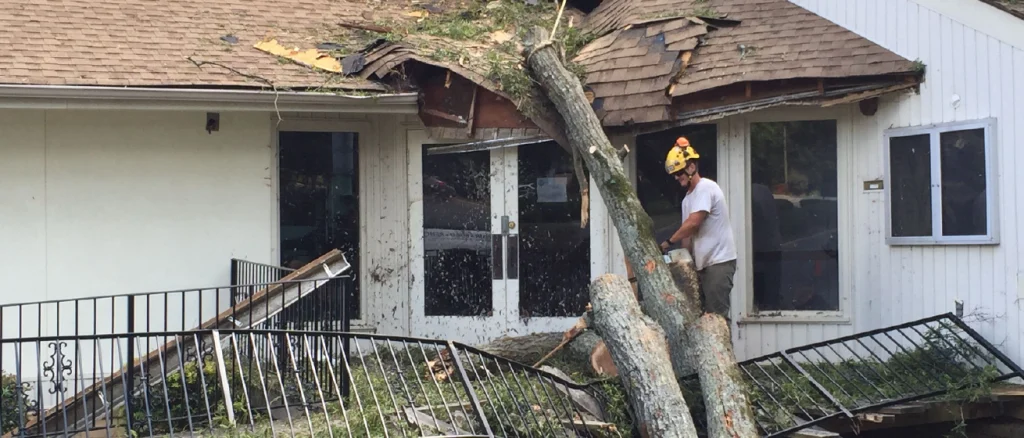
Storm damage cleanup is about more than hauling away branches. A storm can leave cracked limbs hanging overhead, split trunks resting near fences, blocked driveways, scattered debris, and trees that look stable until the next gust proves otherwise. TLC Tree & Landscaping Care helps clear storm-damaged trees, remove debris, and restore outdoor areas.
Fallen Limb Removal
Branches across yards, driveways, roofs, fences, and walkways are cleared with safety first.
Storm Debris Clearing
Broken limbs, scattered brush, damaged tree sections, and messy debris are removed efficiently.
Local Cleanup Help For Coatesville Weather
Storm cleanup needs calm judgment. TLC Tree & Landscaping Care has 9 years of experience handling tree hazards, broken limbs, property cleanup, and storm-stressed landscapes across Coatesville, PA, and surrounding areas. We know how quickly a wet, tangled pile of branches can hide sharp breaks, unstable weight, or a limb still under tension.
Every storm leaves a different kind of damage. Sometimes it is a large branch across the driveway before work. Sometimes it is a split tree leaning toward a shed, or debris spread across a commercial property where customers and crews need safe access. Our storm damage cleanup in Coatesville, PA, focuses on clearing the mess while monitoring for anything that could still fall, shift, or fail later.
Call Before Storm Damage Creates Another Emergency
After a storm, the obvious debris is only part of the problem. Hanging limbs, weakened branch unions, cracked trunks, and unstable trees can remain dangerous after the weather clears. Scheduling storm damage cleanup quickly helps reduce secondary damage, reopen access routes, and prevent people from walking under hazards they may not recognize.
- Clear Fallen Tree Limbs Safely
- Remove Broken Storm Debris
- Reopen Driveways And Walkways
- Reduce Hanging Limb Hazards
- Protect Roofs And Fences
- Check Trees After Storms
Cleaning Up Storm Debris “Quick”
A yard after a storm has its own kind of chaos. Branches where the kids usually play. A limb leaning into the fence. Leaves, brush, and broken sections spread across the lawn. TLC Tree & Landscaping Care handles storm damage cleanup with practical attention to safety, cleanup flow, and the property’s next needs.
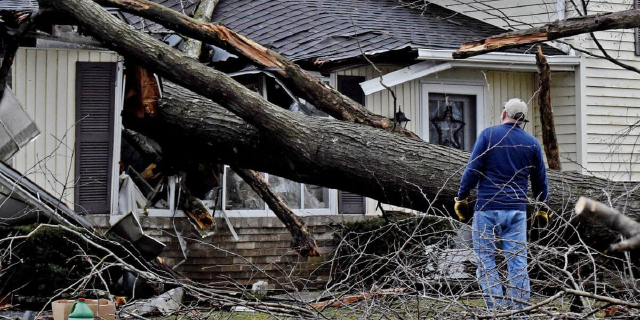
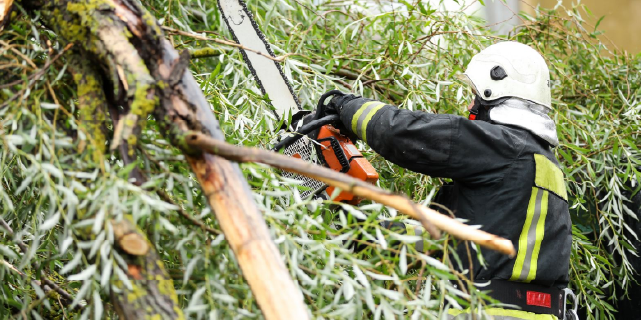
Some jobs require debris removal only. Others may involve trimming storm-broken limbs, removing hazardous tree sections, clearing blocked access, or identifying trees that need further evaluation. Once the danger is reduced and debris is cleared, the property feels less stressful. You can see the ground again. You can use the driveway. You can decide what should happen next without stepping around broken branches.
Clear Storm Mess Safely
Storm debris can look harmless once the wind stops, but broken limbs and stressed trees deserve careful handling. Let TLC Tree & Landscaping Care clean up the damage and help your property feel usable again.
What does storm damage cleanup include?
Storm damage cleanup may include fallen limb removal, broken branch clearing, tree debris hauling, brush cleanup, access route clearing, and removal of storm-damaged tree sections. Depending on the situation, cleanup may also involve checking for hanging limbs, cracked trunks, and trees that became unstable during heavy wind or rain.
When should I schedule storm damage cleanup in Coatesville, PA?
Schedule storm damage cleanup in Coatesville, PA as soon as broken limbs, fallen branches, blocked driveways, damaged fences, or unstable trees affect property safety or access. Quick cleanup helps prevent secondary damage and keeps people from walking near hanging limbs, split trunks, or debris under tension.
Can storm cleanup include trimming or hazardous tree removal?
Yes, storm damage cleanup can include trimming broken limbs, removing hazardous branches, clearing fallen sections, or recommending tree removal when storm damage has weakened the trunk, canopy, or root stability. The safest approach depends on how the tree failed, where it landed, and what remains overhead.