
Tree Health Assessments
- Home
- Tree Health Assessments
A tree can look steady from the driveway while decay, root stress, pests, or hidden weakness are already changing its future.
Catch Tree Problems Before They Spread
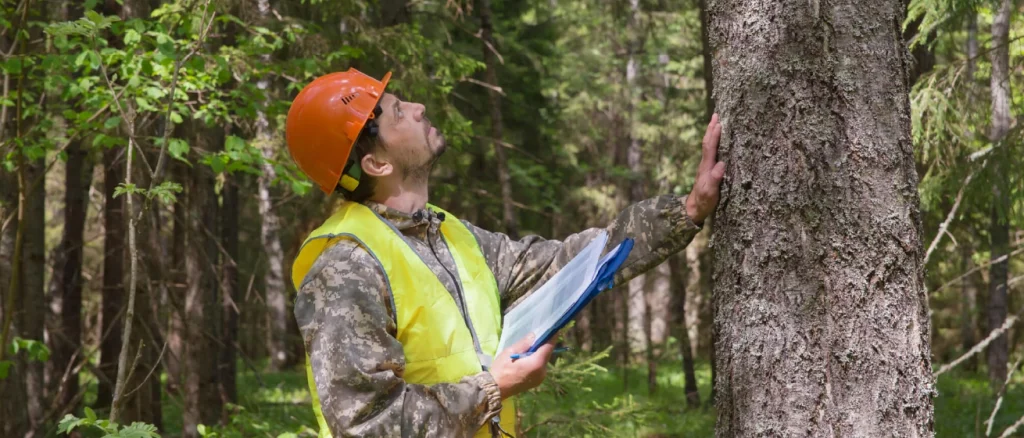
Tree health assessments help property owners understand whether a tree is healthy, declining, stressed, diseased, or becoming a safety concern. TLC Tree & Landscaping Care evaluates canopy condition, bark damage, deadwood, fungal growth, cracks, root-zone disturbance, leaning structure, and other warning signs, so the next step is based on observation rather than guesswork.
Canopy Decline Review
Sparse leaves, dead tips, broken limbs, and uneven growth can reveal stress early.
Root Zone Checks
Soil changes, exposed roots, compaction, decay, and trunk flare issues are carefully reviewed.
Local Tree Maintenance Knowledge For Safety
TLC Tree & Landscaping Care has been caring for trees and landscapes for 9 years, working with mature trees, storm-damaged limbs, wooded lots, and residential properties across Coatesville, PA, and nearby service areas. A good assessment is not a quick glance at the branches. It means looking at the whole tree, from soil and roots to bark, trunk, canopy, branch unions, and nearby property risks.
Some trees need selective trimming. Others need monitoring, deadwood removal, soil-area protection, hazard reduction, or complete removal when the structure becomes unsafe. Our tree health assessments in Coatesville, PA, help homeowners and commercial property owners avoid rushed decisions by identifying what is visible, what may be developing, and what should be addressed before the next storm season.
Call Before Tree Fall Becomes A Costly Emergency
Tree health problems often start quietly. Leaves thin out. Bark splits. Mushrooms appear near the base. A branch dies on one side. The tree leans a little more after wet weather. Scheduling tree health assessments early gives you time to understand the risk before decline leads to limb falls, structural failure, or emergency removal.
- Spot Canopy Decline Early
- Check For Hidden Decay
- Review Root Zone Stress
- Identify Dangerous Deadwood Signs
- Assess Leaning Tree Structure
- Prevent Surprise Limb Failure
Complete Tree Health Assessment Services For You
Not every struggling tree needs to come down. And not every green tree is safe. That is why TLC Tree & Landscaping Care approaches Tree Health Assessments with a careful, practical eye. We look for patterns such as crown dieback, weak unions, pest activity, fungal indicators, trunk wounds, storm stress, soil compaction, and branches that no longer carry their proper weight.
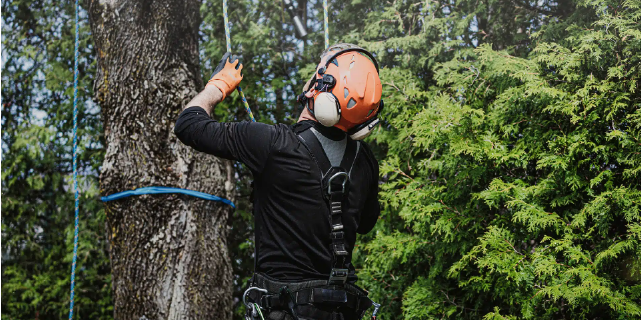
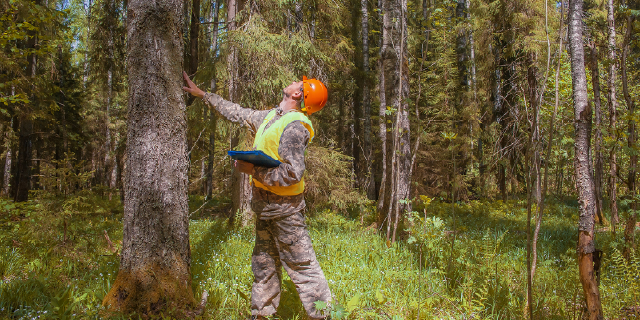
From there, the path becomes clearer. A tree may benefit from pruning, clearance work, hazard removal, ongoing observation, or removal if the risk is too high. For property owners, that clarity matters. It helps protect roofs, vehicles, fences, walkways, lawns, and the tree itself when preservation is still a reasonable option.
Keep Check With Trees
Strange bark, thinning leaves, dead limbs, or mushrooms near the trunk are worth a closer look. Let TLC Tree & Landscaping Care evaluate the signs and help you choose the safest next step.
What is included in a tree health assessment?
Tree health assessments usually include a visual review of canopy density, leaf color, deadwood, bark damage, trunk wounds, fungal growth, root-zone conditions, leaning structure, pest indicators, and branch stability. The purpose is to identify health concerns and safety risks before they require emergency tree work.
When should I schedule tree health assessments in Coatesville, PA?
Schedule tree health assessments in Coatesville, PA, when trees show thinning leaves, dead branches, cracks, mushrooms near the base, leaning, storm damage, bark loss, or unusual growth patterns. Assessments are also useful before buying property, starting construction, or deciding whether to preserve a mature tree.
Can a tree health assessment tell if a tree needs removal?
Yes, a careful assessment can help determine whether trimming, monitoring, hazard reduction, or removal is the safer choice. A tree may need removal if it has severe decay, major structural weakness, advanced disease, root failure, dangerous lean, or large dead sections near people or property.